If you’ve ever been halfway through baking a batch of chocolate chip cookies only to realize your egg carton is completely empty, you know the sudden panic it brings. But missing ingredients are just the tip of the iceberg.
Today, millions of people are actively looking to clear eggs out of their kitchens entirely. Whether you are managing a severe egg allergy, adopting a structured Vegan Diet Plan, looking to lower your dietary cholesterol, trying to cut grocery costs during supply chain spikes, or adhering to specific religious preferences, the demand for versatile egg alternatives has never been higher.
The great news? Modern kitchens are incredibly well-equipped to handle this shift. You don’t have to sacrifice the fluffy texture of a birthday cake or the structural integrity of a savory veggie burger just because you aren’t using poultry products.
This comprehensive guide breaks down the science of egg replacement, explores the top 15 everyday egg substitutes, and helps you choose the perfect alternative for your culinary needs.
Why Replace Eggs? Understanding the Shift
For decades, eggs were viewed as an irreplaceable kitchen staple. However, dietary shifts, medical necessity, and evolving lifestyle choices have fundamentally changed how we look at this ingredient. Here is why home cooks and professional chefs alike are sourcing alternatives:
- Egg Allergies & Intolerances: Egg allergies are among the most common food allergies, particularly in infants and young children. While many outgrow it, thousands of adults suffer from severe intolerances that trigger digestive distress or skin flare-ups.
- The Rise of Plant-Based Lifestyles: As more people transition to a vegan lifestyle to protect animal welfare and reduce their carbon footprint, finding reliable sources of plant-based fat and structural binders is essential.
- Cardiovascular and Cholesterol Concerns: A single large egg contains roughly $186\text{ mg}$ of cholesterol, all of which is concentrated in the yolk. Individuals managing hypercholesterolemia or heart health often choose to skip the yolk or eliminate eggs entirely.
- Economic Flexibility: Food price volatility has made eggs an unreliable budget item at times. Learning how to use pantry staples like flax or vinegar lowers overall grocery bills.
The Science of Cooking: What Do Eggs Actually Do?
To successfully replace an egg, you have to understand its chemical role in a recipe. An egg is not just an ingredient; it is a complex biological engine that performs several functions simultaneously.
+-----------------------------------------------------------------+
|                      THE ROLES OF AN EGG                        |
+-----------------------------------------------------------------+
|  [BINDING]     --> Holds ingredients together, preventing crumbling|
|  [MOISTURE]    --> Provides water and fat content for a soft crumb|
|  [LEAVENING]   --> Traps air pockets to make baked goods rise    |
|  [THICKENING]  --> Coagulates under heat (essential for custards)|
|  [EMULSIFYING] --> Blends oil and water smoothly via lecithin    |
+-----------------------------------------------------------------+
When selecting an alternative from the list below, always ask yourself: What was the egg’s primary job in this specific recipe?
Best Egg Substitutes for Everyday Cooking
Here is your master directory of everyday egg substitutes, complete with exact replacement ratios, best use cases, and performance pros and cons.
1. Flaxseed Egg (Whole-Ground Flax)
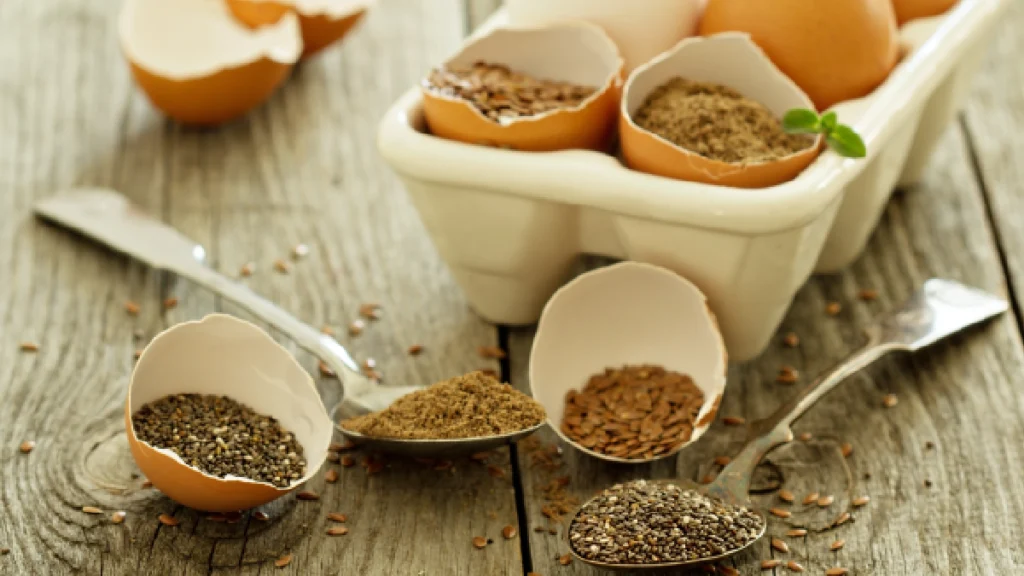
Flaxseeds are packed with mucilage—a soluble fiber that becomes thick, gelatinous, and highly viscous when mixed with water, perfectly mimicking egg whites.
- Replacement Ratio: 1 tbsp ground flaxseed + 3 tbsp warm water = 1 egg (Let sit for 5–10 minutes until gelatinous).
- Best Use Cases: Whole-grain breads, pancakes, muffins, oatmeal cookies, and brownies.
- Nutritional Notes: High in Omega-3 fatty acids, dietary fiber, and lignans.
- Taste & Texture: Adds a subtle, nutty flavor. It yields a slightly denser, heavier crumb structure.
- Pros: Outstanding binding properties; highly accessible pantry staple.
- Cons: Not suitable for light, airy bakes like sponge cakes or soufflés.
2. Chia Egg
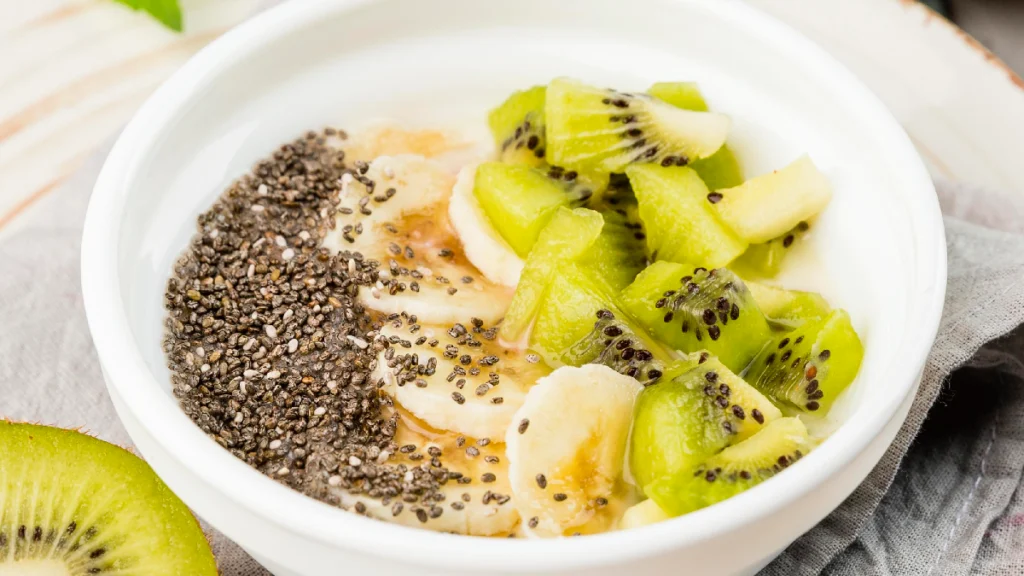
Similar to flax, chia seeds form a heavy hydrophilic gel when hydrated, making them exceptional structural binders.
- Replacement Ratio: 1 tbsp whole or ground chia seeds + 3 tbsp water = 1 egg. (Let sit for 10 minutes).
- Best Use Cases: Quick breads, waffles, dense rustic cakes, and breakfast bars.
- Nutritional Notes: Excellent source of calcium, fiber, and vegan protein.
- Taste & Texture: Virtually neutral in flavor, but whole chia seeds leave small, dark, crunchy specks in your food.
- Pros: Extremely stable binder; requires no cooking or processing.
- Cons: Visually noticeable unless you use ground white chia seeds.
3. Mashed Banana
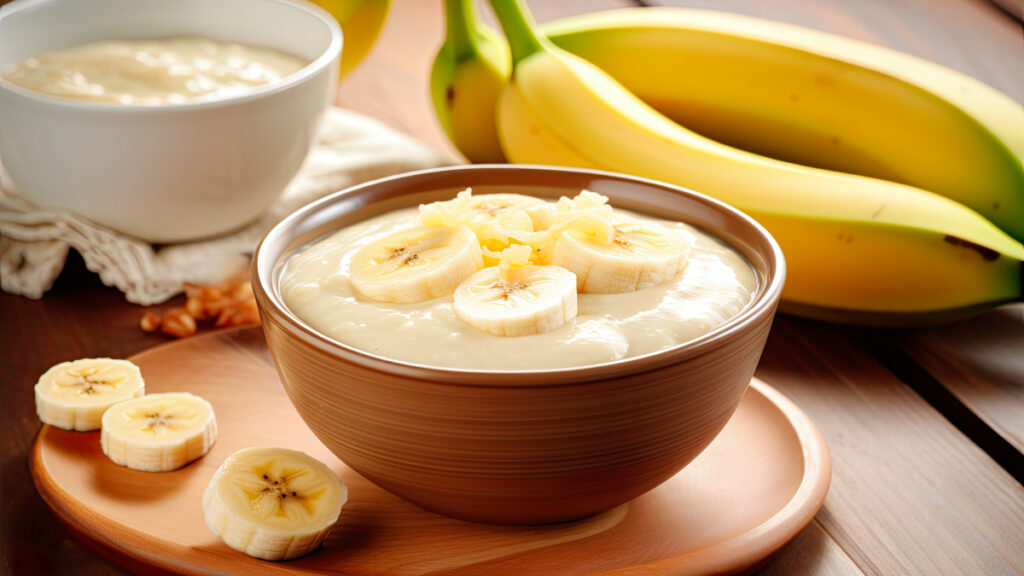
The natural sugars, starches, and moisture content in ripe bananas act as a fantastic binder and softener in sweet recipes.
- Replacement Ratio1/4 cup smooth mashed banana (approx. half a medium banana) = 1 egg.
- Best Use Cases: Banana bread, sweet muffins, pancakes, and soft-baked cookies.
- Nutritional Notes: High in potassium, vitamin B6, and natural carbohydrates.
- Taste & Texture: Imparts a distinct, unmistakable banana flavor and creates a dense, moist, and soft texture.
- Pros: Adds natural sweetness, allowing you to reduce refined sugars in the recipe.
- Cons: Can easily overpower subtle flavors like vanilla or light citrus.
4. Applesauce (Unsweetened)
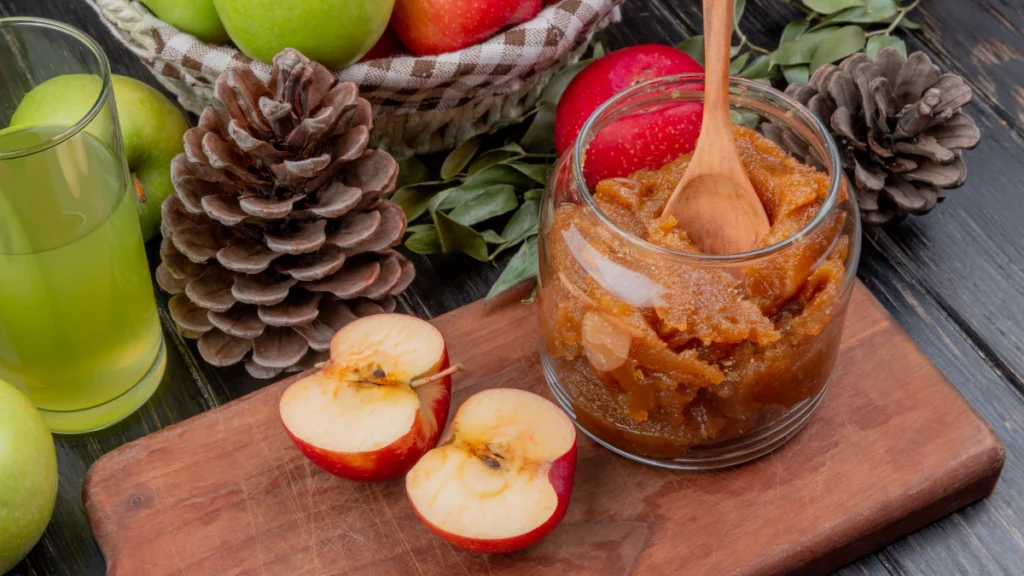
Applesauce contains high levels of pectin, a naturally occurring structural carbohydrate that binds ingredients while locking in deep moisture.
- Replacement Ratio: 1/4 cup unsweetened applesauce = 1 egg.
- Best Use Cases: Brownies, chocolate cakes, muffins, and soft cupcakes.
- Nutritional Notes: Low-calorie, fat-free option rich in vitamin C and soluble fiber.
- Taste & Texture: Keeps baked goods incredibly moist without altering the baseline flavor profile significantly.
- Pros: Neutral taste; prevents baked goods from drying out.
- Cons: Does not provide any leavening (rising) power; can make items gummy if overused.
5. Silken Tofu
Silken tofu is a high-moisture, un-pressed soy curd that purées into a completely smooth, velvety cream.
- Replacement Ratio: 1/4 cup whipped silken tofu = 1 egg.
- Best Use Cases: Cheesecakes, pies, chocolate mousses, puddings, and dense brownies.
- Nutritional Notes: Excellent source of low-fat plant protein and essential amino acids.
- Taste & Texture: Totally neutral taste. It creates a heavy, rich, smooth, and dense texture.
- Pros: Blends seamlessly without changing the color or flavor of the dish.
- Cons: Completely lacks leavening ability; requires a blender or food processor to eliminate graininess.
6. Yogurt Alternatives (Plant-Based or Plain)
The acidity in yogurt reacts beautifully with chemical leaveners like baking soda, creating tiny carbon dioxide bubbles that help baked items lift.
- Replacement Ratio: 1/4 cup dairy-free yogurt (soy, almond, or coconut) = 1 egg.
- Best Use Cases: Scones, biscuits, quick breads, and cupcakes.
- Nutritional Notes: Provides gut-friendly cultures, though active bacteria die off during baking.
- Taste & Texture: Imparts a slight, pleasant tanginess and yields a remarkably tender, soft crumb.
- Pros: Adds great moisture and works hand-in-hand with baking soda for loft.
- Cons: Can add unwanted sourness if using heavily tart or cultured varieties.
7. Aquafaba (Chickpea Brine)
Aquafaba is the liquid left over from cooking chickpeas or found inside a can of chickpeas. It contains a unique mix of starches and proteins that mimic the exact foaming and structure-building properties of egg whites.
- Replacement Ratio: 2 tbsp aquafaba = 1 egg white ; 3 tbsp aquafaba = 1 whole egg.
- Best Use Cases: Meringues, macarons, royal icing, marshmallows, and light-as-air sponge cakes.
- Nutritional Notes: Very low in calories, with trace amounts of protein and starches.
- Taste & Texture: It smells slightly like beans when raw, but this scent disappears completely once baked or whipped with sugar.
- Pros: The only natural plant ingredient capable of whipping into stiff, stable peaks like egg whites.
- Cons: Requires an electric stand mixer and time to whip successfully; lacks fat and richness.
8. Peanut Butter & Nut Butters
Creamy nut butters contain high amounts of natural fats and proteins that act as excellent binding agents.
- Replacement Ratio: 3 tbsp smooth nut butter (peanut, almond, or cashew) =1 egg.
- Best Use Cases: Soft cookies, brownies, waffles, and energy bites.
- Nutritional Notes: Rich in healthy monounsaturated fats, vitamin E, and protein.
- Taste & Texture: Leaves a pronounced, rich, nutty flavor and a dense, chewy texture.
- Pros: Creates an incredibly rich, satisfying mouthfeel.
- Cons: A major allergen risk (peanuts/tree nuts); can easily dry out bakes if the flour ratio isn’t adjusted.
9. Pumpkin Puree
Much like applesauce and banana, pumpkin puree provides structural weight and essential hydration to batters.
- Replacement Ratio: 1/4 cup canned pumpkin puree = 1 egg.
- Best Use Cases: Autumn-themed spiced cakes, gingerbread, muffins, and pancakes.
- Nutritional Notes: Packed with beta-carotene (Vitamin A), fiber, and potassium.
- Taste & Texture: Adds an earthy, sweet flavor note and turns batters a vibrant orange-yellow hue.
- Pros: Adds massive nutritional value and natural coloring.
- Cons: Stains light batters and introduces a seasonal flavor that doesn’t fit every dish.
10. Arrowroot Powder
Arrowroot is a starchy tuber vegetable root that acts as a strong thickening agent when exposed to heat.
- Replacement Ratio: 1 tbsp arrowroot powder + 2 tbsp cold water = 1 egg.
- Best Use Cases: Fruit pie fillings, custards, puddings, and binding delicate pan-fried fritters.
- Nutritional Notes: Gluten-free, easily digestible complex carbohydrate.
- Taste & Texture: Glossy, clear, and completely flavorless finish.
- Pros: Does not alter flavor; avoids the cloudiness that cornstarch can sometimes cause.
- Cons: Must be mixed with cold water first to prevent clumping; zero structural support for fluffy baking.
11. Cornstarch Slurry
A classic kitchen staple, cornstarch locks up moisture and binds loose ingredients together as it heats up and gelatinizes.
- Replacement Ratio: 1 tbsp cornstarch + 2 tbsp cold water = 1 egg.
- Best Use Cases: Gravies, sauces, puddings, custards, and pan coatings.
- Nutritional Notes: Pure carbohydrate; neutral nutritional profile.
- Taste & Texture: Thickens smoothly, but can turn chalky if the raw starch isn’t fully cooked out.
- Pros: Inexpensive, widely available, and shelf-stable.
- Cons: Yields a stiff, dense structure if over-measured in baked goods.
12. Commercial Egg Replacers
Typically made from a calculated blend of potato starch, tapioca flour, and chemical leaveners, these commercial powders are engineered to mimic eggs explicitly.
- Replacement Ratio: Usually 1 tbsp powder + 2 tbsp warm water = 1 egg (always verify with package instructions).
- Best Use Cases: Complex baking projects, traditional cookies, biscuits, and layered cakes.
- Nutritional Notes: Generally low in calories and allergen-free, but heavily processed with little raw nutritional value.
- Taste & Texture: Completely neutral. Mimics standard egg performance closely without changing flavor.
- Pros: Reliable, standardized, and won’t add heavy fruit flavors or colors to your food.
- Cons: Harder to find in standard convenience stores; can feel less authentic than whole-food alternatives.
13. Carbonated Water (Sparkling Water)

The trapped carbon dioxide gas in sparkling water expands inside a warm oven, acting as a purely physical leavening agent.
- Replacement Ratio: 1/4 cup fresh carbonated water = 1 egg.
- Best Use Cases: Light cupcakes, delicate sponge cakes, quick breads, and airy waffles.
- Nutritional Notes: Zero calories, zero fat, and purely hydration-focused.
- Taste & Texture: Creates an incredibly light, airy, and fluffy texture without adding any baseline flavor.
- Pros: Keeps cakes from turning into heavy, dense blocks.
- Cons: Provides zero binding strength; must be added immediately to the batter before the bubbles escape.
14. Chickpea Flour (Besan)
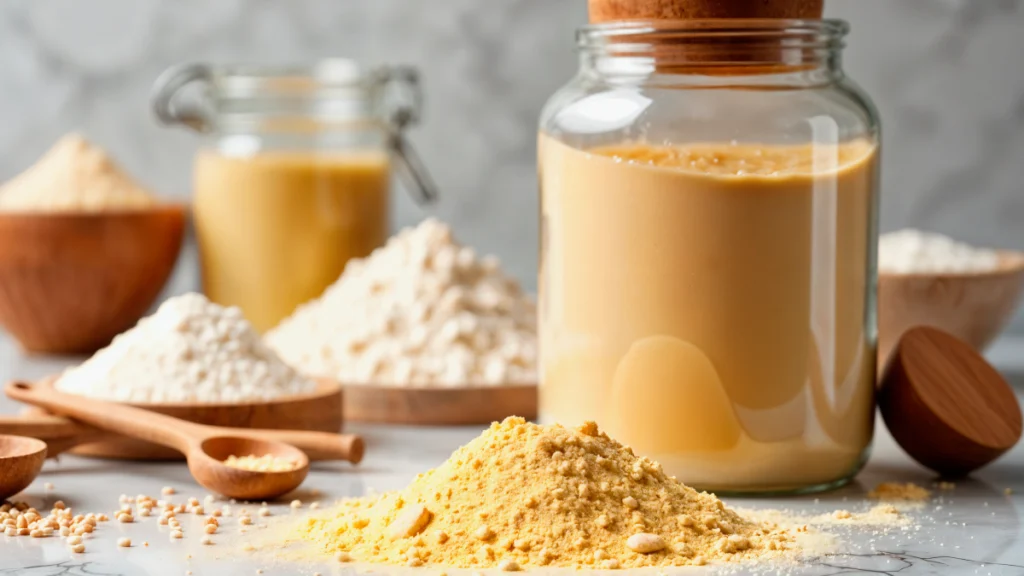
Chickpea flour is highly absorbent and naturally rich in proteins and starches, allowing it to bind and set firmly when heated.
- Replacement Ratio: 3 tbsp chickpea flour + 3 tbsp water = 1 egg.
- Best Use Cases: Savory quiches, frittatas, eggless omelets, and binding veggie burgers or cutlets.
- Nutritional Notes: High-protein, high-fiber, and gluten-free flour source.
- Taste & Texture: Has a distinctly savory, bean-like taste when raw, but cooks down into a rich, nutty, and satisfying bite.
- Pros: Creates an excellent savory “egg” texture that can easily hold vegetables.
- Cons: Entirely unsuitable for sweet dessert recipes due to its strong, earthy flavor.
15. Vegan Protein-Based Substitutes
Modern food tech uses isolated soy, pea, or fava bean proteins combined with plant fats to recreate an alternative that looks, cooks, and tastes like a scrambled egg.
- Replacement Ratio: Dependent on the specific brand (typically 3–4 tbsp of liquid pourable mixture equals one whole egg).
- Best Use Cases: Direct scrambles, omelets, French toast, and breakfast scrambles.
- Nutritional Notes: Engineered to match standard egg protein levels, often delivering 5–7 grams of vegan protein per serving.
- Taste & Texture: Incredibly close to real chicken eggs, especially when seasoned with sulfur-rich black salt (kala namak).
- Pros: Unmatched realism for traditional, standalone egg breakfast dishes.
- Cons: Can be expensive and features a higher processing profile with added stabilizers and sodium.
Best Egg Substitutes Tailored for Baking
You cannot use a blanket solution for every baking project. The choice depends entirely on the structural goal of the dessert.
Cakes & Cupcakes

- Goal: Lift, lightness, and a tender crumb.
- Top Picks: Carbonated water, applesauce, or vegan yogurt paired with an extra $1/4\text{ tsp}$ of baking powder.
- Avoid: Ground chia seeds or nut butters, which weigh down the fragile flour matrix.
Fudgy Brownies
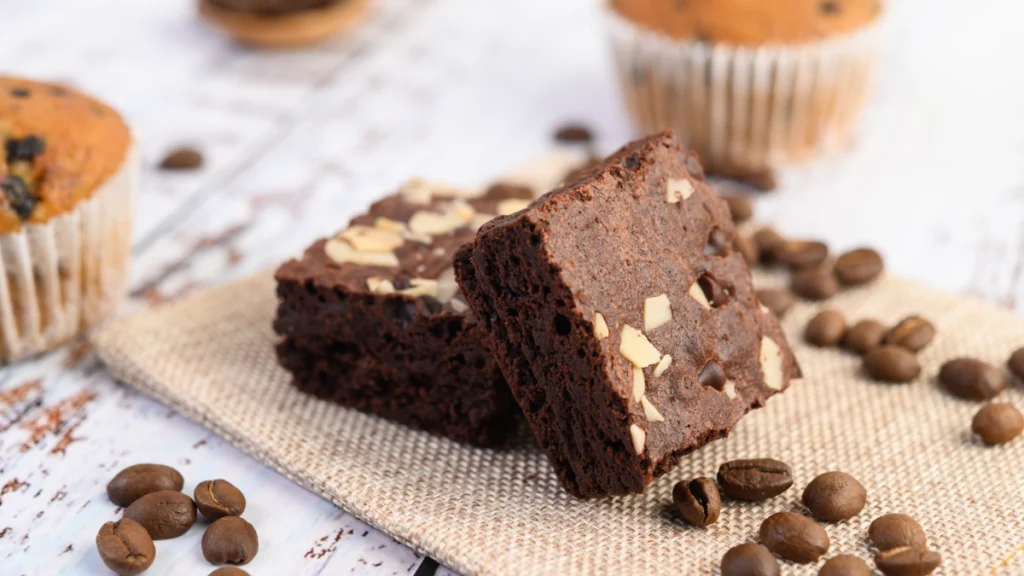
- Goal: Density, moisture, and a rich chew.
- Top Picks: Flax egg, silken tofu, mashed banana, or smooth peanut butter.
- Why it works: Brownies do not need to rise significantly; they benefit directly from the heavy fats and binding qualities of whole foods.
Cookies & Pancakes

- Goal: Spreading action, crisp edges, or soft, stackable structures.
- Top Picks: Flax egg (for chewy cookies), applesauce, or mashed banana (for tender, moist pancakes).
Best Egg Substitutes for Savory Cooking
In savory cooking, eggs act primarily as glue to hold ingredients together, or as a rich base for high-protein meals.
Bindings for Veggie Burgers, Fritters, & Cutlets
When making bean patties or vegetable fritters, you need an agent that stops the mixture from splitting open in hot oil or on the grill.
- Top Pick: A chickpea flour slurry or a thick mashed potato/cornstarch paste. They solidify rapidly upon heat contact, locking your structural ingredients safely in place.
Eggless Omelets & Frittatas
If you miss a hearty breakfast scramble, look to clean plant bases that mimic that exact firm yet tender texture.
- Top Pick: Silken tofu blended with a splash of plant milk and chickpea flour, or a specialized commercial liquid plant egg.
- Pro-Tip: Add a pinch of Kala Namak (Indian Black Salt). It contains natural sulfur compounds that mimic the exact taste and smell of real egg yolks.
Nutritional Comparison Table
Here is a direct look at how these popular alternatives stack up against a standard large chicken egg per serving size ($1\text{ egg}$ equivalent):
| Substitute (1 Egg Equiv.) | Calories | Protein (g) | Fat (g) | Fiber (g) | Notable Micronutrients |
| Standard Chicken Egg | $72$ | $6.3$ | $4.8$ | $0.0$ | Vitamin D, B12, Choline |
| Flax Egg ($1\text{ tbsp}$ ground) | $37$ | $1.3$ | $3.0$ | $2.0$ | Omega-3s, Magnesium |
| Chia Egg ($1\text{ tbsp}$ whole) | $48$ | $1.7$ | $3.1$ | $3.4$ | Calcium, Phosphorus |
| Silken Tofu ($1/4\text{ cup}$) | $35$ | $4.0$ | $2.0$ | $0.4$ | Isoflavones, Iron |
| Aquafaba ($3\text{ tbsp}$) | $5$ | $0.1$ | $0.0$ | $0.0$ | Trace Potassium |
| Chickpea Flour ($3\text{ tbsp}$) | $60$ | $3.6$ | $1.0$ | $1.8$ | Folate, Iron, Zinc |
The Vegan Diet Perspective: Optimizing Plant Protein
When transitioning away from animal products toward a structured Vegan Diet Plan, eggs are often missed because they are an easy source of complete protein. To ensure your health remains uncompromised, your food choices must be deliberate.
Replacing an egg with applesauce or carbonated water satisfies the structural chemistry of baking, but it leaves a massive nutritional gap in terms of daily macros. If your goal is maintaining stable energy and muscle recovery, consciously weave high-quality vegan protein into your broader meal plan.
Rely heavily on whole soy options (like edamame, tempeh, and silken tofu) and clean legume bases (like chickpea and lentil flours) to ensure your alternative meals keep you full, satisfied, and nutritionally fueled.
Special Spotlight: Alternative Plant Proteins
For regions with deeply rooted vegetarian traditions, sourcing affordable, plant-based nutrition is a daily practice rather than a modern trend. There is a rich culinary history of utilizing powerful plant ingredients to build strong, satisfying meals without relying on poultry or meat.
+-------------------------------------------------------------------+
|               TRADITIONAL PLANT PROTEIN BASES                     |
+-------------------------------------------------------------------+
| [BESAN (CHICKPEA FLOUR)] -> Creates savory cheelas and protein    |
|                             rich bindings for cutlets.            |
| [MOONG DAL (MUNG BEAN)]  -> Soaked and blended into airy, high    |
|                             protein savory pan omelets.           |
| [TOFU & SOY CHUNKS]      -> Excellent scrambles that absorb dense |
|                             spices and masalas perfectly.         |
+-------------------------------------------------------------------+
Using these versatile bases allows home cooks to create nutritious, allergen-friendly alternatives that are highly accessible and naturally rich in macronutrients.
Common Mistakes When Replacing Eggs (And How to Avoid Them)
- Mistake 1: Blindly using the same substitute for every single recipe.
- The Fix: Match the swap to the food’s primary need. Never use applesauce if you need an item to rise, and never use a flax egg in a delicate white wedding cake.
- Mistake 2: Forgetting to adjust baking times.
- The Fix: Fruit purees (like banana and pumpkin) hold significantly more moisture than raw chicken eggs. Baked goods made with these alternatives often require an extra 3–5 minutes in the oven to fully set in the center.
- Mistake 3: Over-mixing plant-based batters.
- The Fix: Without egg proteins to provide elastic structural cushioning, over-mixing activates wheat gluten too aggressively, turning your vegan cakes dense, gummy, and rubbery. Mix until the dry ingredients are just combined.
Dairy Alternatives vs. Plant-Based Substitutes
When exploring substitutes, cooks often wonder if turning to standard dairy products like cow’s milk, buttermilk, or condensed milk is a better choice than using purely plant-based alternatives.
While dairy options provide exceptional structural fat and tenderizing sugars, they come with clear trade-offs. Relying heavily on conventional dairy introduces potential sensitivities, as a large percentage of the global population deals with lactose intolerance or sensitivity to milk proteins like casein.
Furthermore, over-consuming high-fat dairy products can lead to digestive discomfort, inflammation, or skin congestion for some individuals. Choosing clean, plant-based egg alternatives—such as flax, chia, or aquafaba—allows you to sidestep these issues completely while keeping your kitchen fully inclusive for vegans and those with multiple allergen sensitivities.
Frequently Asked Questions
What can replace eggs in baking?
For moisture and binding, use $1/4\text{ cup}$ of unsweetened applesauce or mashed banana. For structural binding with a clean rise, use a flax egg combined with a pinch of extra baking powder.
What is the best vegan egg substitute?
For general baking, the flax egg is the most reliable all-rounder. For pure baking science achievements like meringues or airy mousses, aquafaba (chickpea liquid) is unmatched.
What replaces eggs in pancakes?
Mashed banana and applesauce are perfect for pancakes. They provide natural binding, lock in moisture, and add a pleasant hint of fruit sweetness to your breakfast stack.
Which egg substitutes are highest in protein?
Silken tofu, chickpea flour, and commercial soy/pea protein-based liquid egg replacements offer the highest protein counts, matching or closely trailing the macro profile of chicken eggs.
What is the cheapest egg alternative?
Cornstarch slurries and water-hydrated chickpea flour are incredibly economical, costing mere pennies per serving.
What is the best substitute for scrambled eggs?
Firm or silken tofu mashed gently with a fork and sautéed with turmeric (for yellow color) and nutritional yeast is the ultimate whole-food scramble alternative.
The Takeaway: Experiment and Enjoy the Process
Swapping out eggs does not mean compromising on your favorite family recipes. It simply means cooking smarter. By understanding whether your dish needs moisture, structure, or a physical lift, you can easily dive into your pantry and pull out a clean, healthy alternative that works beautifully.
Start small by substituting eggs in simple pancakes or individual batches of brownies, and find out which flavors and textures fit your lifestyle best!
(Have you tried baking with any of these egg alternatives? Leave a comment below with your favorite kitchen shortcut, or link to our guide on plant-based meal prepping to keep your healthy kitchen running smoothly!)