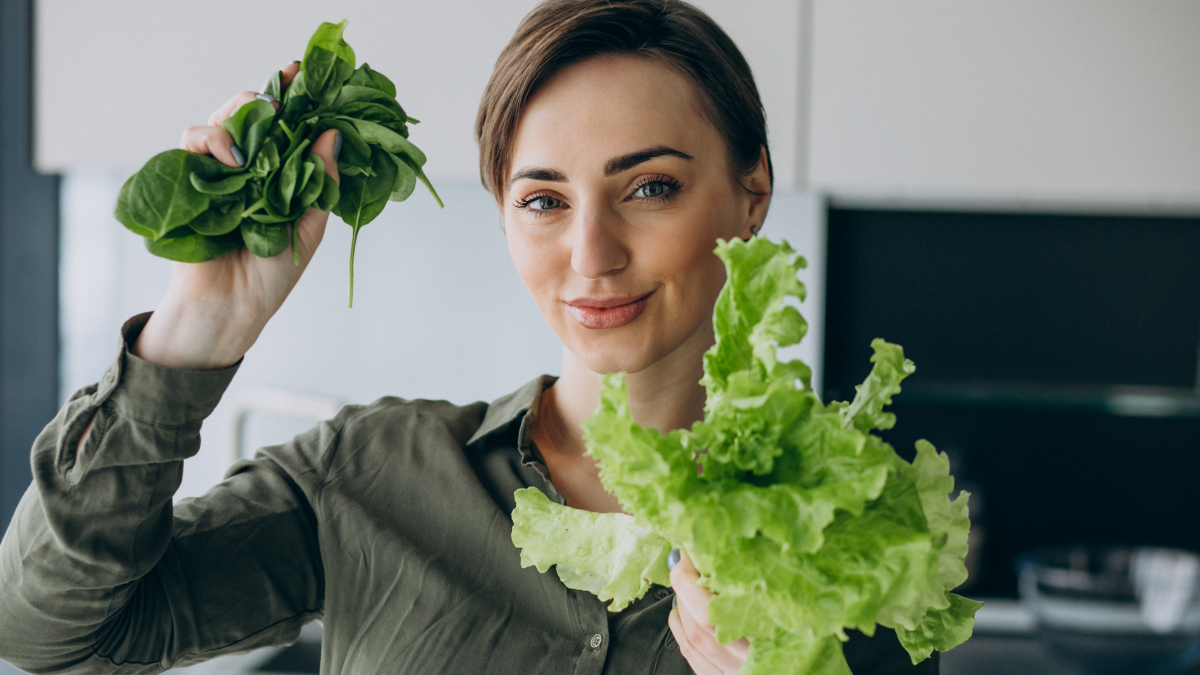
Walk into any modern Indian kitchen today, and you’ll likely find a quiet revolution happening on the kitchen counter. Next to the traditional container of buffalo milk, there might be a carton of almond milk. In the refrigerator, right alongside the usual block of dairy paneer, sits a pack of tofu.
For generations, our morning routine in India has been defined by a hot cup of chai or a tall glass of milk. But lately, things are shifting. More and more health-conscious individuals are stepping away from traditional dairy products and exploring modern nutrition choices.
For some, it’s a sudden realization of lactose intolerance. For others, it’s a curiosity fueled by fitness influencers or real concerns about potential milk side effects like bloating, sluggishness, or adult acne.
This curiosity naturally leads to one major doorstep: veganism. But making such a massive shift raises an essential question. Is a vegan diet truly healthy, or is it just another passing internet trend that might leave you fatigued and deficient?
If you are looking for a completely honest, no-nonsense look at the benefits and risks of a vegan diet, you are in the right place.
Let’s break down the science, the practical realities of an Indian household, and how you can make the healthiest choices for your unique body.
What Is a Vegan Diet?
To understand a healthy vegan diet, we first need to clear up a very common point of confusion, especially in the Indian context.
In India, when we say someone is “vegetarian” (shakahari), it generally means a lacto-vegetarian diet. We don’t eat meat, fish, or eggs, but we absolutely adore dairy. Ghee, butter, paneer, curd, and milk are woven into our cultural fabric.
A vegan diet for beginners, however, takes this a step further. Veganism is a lifestyle and dietary choice that eliminates all animal-derived products.
| What Vegans Eat | What Vegans Avoid |
| Whole grains (rice, oats, millets, wheat) | All meats (chicken, mutton, fish) |
| Pulses, lentils, and legumes | Eggs |
| Vegetables and fruits | Dairy products (milk, ghee, paneer, curd, butter) |
| Nuts, seeds, and plant oils | Honey |
| Soy products (tofu, soy milk, chunks) | Gelatin and animal-derived additives |
Beyond the plate, a strict vegan lifestyle also avoids clothes, cosmetics, and household items that involve animal exploitation, such as leather, silk, or wool. For this guide, however, we will focus primarily on the dietary aspect: plant-based nutrition.
Benefits of a Vegan Diet
When done right, switching to a whole-food, plant-based diet can feel like an upgrade for your body. Let’s look at the science-backed vegan diet benefits that draw millions of people toward this lifestyle.
A. Better Digestion and Gut Health

The modern urban Indian diet is notoriously low on dietary fiber, largely due to a rise in processed foods and refined flour (maida).
Plants are the only source of dietary fiber. When you adopt a vegan diet, your intake of whole grains, lentils, and vegetables skyrockets. This fiber acts as a prebiotic, which essentially serves as fuel for the good bacteria living in your gut.
A thriving gut microbiome means smoother digestion, regular bowel movements, and a significantly lower risk of chronic constipation and bloating.
B. Sustainable Weight Management

If you are looking at a vegan diet for beginners to shed a few stubborn kilograms, the mechanics work in your favor.
Plant foods generally have a lower calorie density compared to animal foods and heavy dairy. For example, a bowl of clear vegetable-and-lentil soup contains far fewer calories than a rich paneer makhani made with heavy cream and butter.
Because plant foods are high in fiber and water content, they fill you up faster and keep you satiated for longer. This natural portion control makes it much easier to maintain a healthy calorie deficit without feeling like you are starving.
C. Enhanced Heart Health
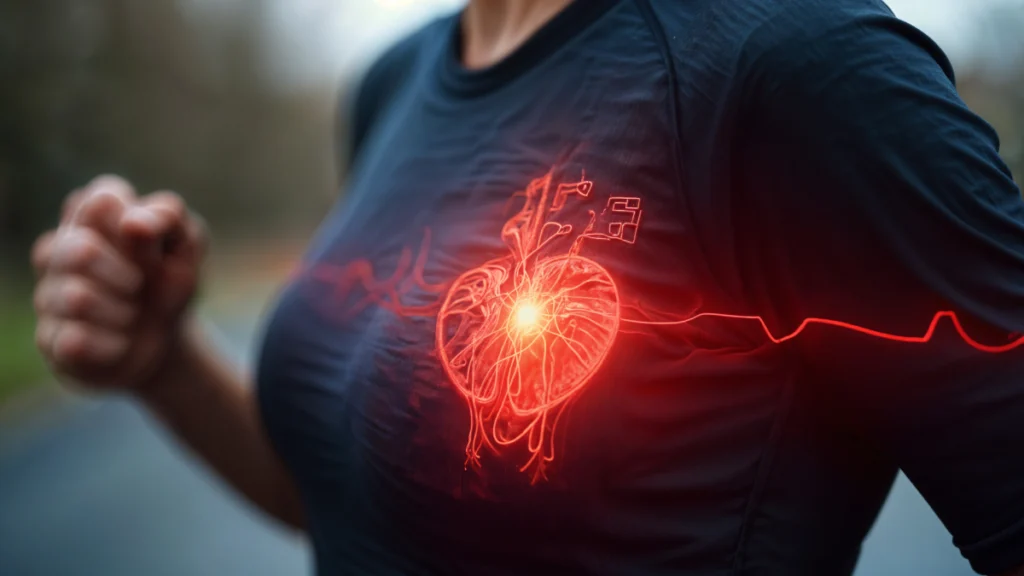
Cardiovascular diseases are a major health concern across India. A major culprit behind blocked arteries is low-density lipoprotein (LDL), often called “bad” cholesterol.
Saturated fats, which raise LDL cholesterol, are heavily present in animal meats and full-fat dairy products like ghee and butter. Plant foods contain zero dietary cholesterol and are naturally very low in saturated fats.
Clinical studies consistently show that individuals following a balanced plant-based diet experience a noticeable drop in blood pressure and a lower overall risk of heart disease.
D. Clearer Skin and Fewer Flare-Ups

Have you ever noticed your skin breaking out after a few days of heavy sweet consumption or dairy-heavy meals? You aren’t imagining things.
A growing number of dermatologists point toward milk side effects when treating adult acne. Dairy products contain natural growth hormones and can trigger spikes in insulin-like growth factor 1 (IGF-1), which increases sebum production in your skin. By removing dairy and increasing your intake of antioxidant-rich fruits and vegetables, many people report a natural, healthy glow and a significant reduction in acne severity.
E. Better Blood Sugar Control

Type 2 diabetes is a massive health challenge in modern India. While many people think diabetes is only about cutting out sugar, insulin resistance is deeply tied to chronic inflammation and systemic fat storage around our organs.
A fiber-dense vegan diet helps slow down the absorption of sugar into the bloodstream, preventing those dangerous post-meal spikes. Whole plant foods also improve insulin sensitivity, making it a highly effective dietary strategy for preventing, managing, and sometimes even reversing Type 2 diabetes.
F. Ethical and Environmental Peace of Mind

Health isn’t just physical; it’s mental and emotional too. Many people choose a vegan diet because it aligns with their personal values. The industrial production of meat and large-scale dairy farming requires massive amounts of water, land, and energy while contributing heavily to greenhouse gas emissions.
Transitioning to plants significantly reduces your individual carbon footprint and ensures that no animals are harmed to put food on your table.
Risks of a Vegan Diet
While the benefits are incredibly encouraging, it would be highly irresponsible to present a vegan diet as a flawless magic pill. Every dietary shift has its trade-offs. If you do not plan your meals carefully, you run straight into serious vegan diet risks.
Let’s look at the common vegan diet deficiencies and practical hurdles you need to watch out for.
A. Protein Deficiency and Quality Concerns
The most common question a vegan hears is: “Where do you get your protein?” While it is absolutely a myth that plants have no protein, the risk of a deficiency is real if your diet consists mostly of white rice, potatoes, and plain vegetables.
Furthermore, most plant foods are “incomplete” proteins, meaning they lack one or more of the nine essential amino acids your body cannot make on its own. While animal protein is easily absorbed, plant protein has lower bioavailability due to fiber and anti-nutrients like phytates.
To combat this, vegans must combine different food groups—like eating brown rice with lentils, or whole-wheat rotis with a bowl of chana—to ensure they get a complete amino acid profile.
B. The Vitamin B12 Trap
This is non-negotiable: Vitamin B12 is not naturally found in plant foods. It is produced by bacteria in soil and water, which animals ingest, storing the vitamin in their muscles and milk.
Since we wash our vegetables thoroughly (as we should), a vegan diet provides almost zero natural B12. A deficiency in B12 progresses slowly but can lead to severe nerve damage, chronic fatigue, brain fog, and pernicious anemia.
Important Note: If you are fully committed to a vegan diet, you must take a high-quality Vitamin B12 supplement or consistently consume fortified foods (like fortified plant milks or nutritional yeast). Do not skip this step.
C. Iron Absorption Challenges
You might point out that spinach, fenugreek (methi), and beetroot are packed with iron. They absolutely are, but it’s a different kind of iron.
- Heme iron (found in meat and seafood) is highly bioavailable and easily absorbed by the human body.
- Non-heme iron (found in plants) is much harder for our bodies to extract.
Furthermore, traditional Indian tea and coffee contain tannins that actively block iron absorption if consumed close to your meals. To get around this risk, always pair your iron-rich plant meals with Vitamin C. Squeezing a fresh lemon over your green vegetables or dal can boost iron absorption significantly.
D. Calcium and Bone Density Risks
When you remove traditional dairy products like milk, yogurt, and paneer from an Indian household, you eliminate the primary source of calcium for most families.
Calcium is vital for maintaining strong bones and teeth, as well as proper muscle and nerve function. If your body doesn’t get enough calcium from food, it begins to leach it directly from your bones, increasing the risk of osteoporosis as you age. Vegans need to actively consume calcium-rich plant foods like ragi (finger millet), sesame seeds (til), tofu, and dark leafy greens.
E. Omega-3 Fatty Acids Shortage
Omega-3 fatty acids are critical for brain health, mood regulation, and reducing internal inflammation. The most potent forms (EPA and DHA) are found primarily in fatty fish.
Vegans can easily get ALA (another form of Omega-3) from flaxseeds, chia seeds, and walnuts. However, the human body’s conversion rate of ALA to the active EPA and DHA forms is quite low. For optimal brain fitness, many vegans find it helpful to take an algae-based Omega-3 supplement.
F. Social and Practical Challenges in India
Let’s talk about real life. Eating out as a vegan in India can occasionally be a headache. If you visit a relative’s house, politely turning down a cup of chai or a sweet made with ghee can sometimes lead to awkward conversations or misunderstandings.
Many restaurant dishes that look vegetarian are secretly cooked in ghee or garnished with cream. Staying vegan requires consistent label-reading, pre-planning, and the confidence to advocate for your dietary needs.
Is Avoiding Dairy Always Healthy?
Because the phrase milk side effects trends so frequently online, many people assume that dairy is an absolute villain. But nutrition is never completely black or white.
Traditional dairy products are incredibly nutrient-dense. For millions of traditional Indian vegetarians, milk and paneer are the primary sources of high-quality protein, calcium, and Vitamin B12. If your body digests dairy perfectly fine, without any gas, bloating, or skin issues, dairy can be a highly beneficial component of a healthy lifestyle.
However, a huge portion of the global adult population experiences some degree of lactose intolerance. As we grow older, our bodies naturally produce less lactase—the enzyme required to break down the sugars in milk.
If you frequently experience digestive discomfort after consuming dairy, it is worth experimenting with a short break from milk to see how your body responds. Ultimately, avoiding dairy isn’t a mandatory requirement for good health, but finding high-quality alternatives to dairy products can be a game-changer for those with sensitive digestive systems.
Best Vegan Protein Sources
To maintain muscle mass, keep your metabolism firing, and stay energized, a healthy vegan diet must prioritize clean protein. Fortunately, the plant kingdom is filled with incredible options that fit beautifully into Indian cooking.
+-------------------------------------------------------------+
|                TOP PLANT-BASED PROTEIN SOURCES               |
+----------------------+--------------------------------------+
| Legumes & Pulses     | Chickpeas (chana), Kidney beans      |
|                      | (rajma), Black-eyed peas (lobia),    |
|                      | and all varieties of dals.           |
+----------------------+--------------------------------------+
| Soy Products         | Tofu (soy paneer), Soy milk, and     |
|                      | high-protein Soy chunks/granules.    |
+----------------------+--------------------------------------+
| Seeds & Nuts         | Pumpkin seeds, Chia seeds, Hemp seeds|
|                      | Almonds, Walnuts, and Peanuts.       |
+----------------------+--------------------------------------+
| Whole Grains         | Ragi, Oats, Quinoa, and Amaranth     |
|                      | (rajgira).                           |
+----------------------+--------------------------------------+
Here is a closer look at how you can use these ingredients effectively:
- Tofu (Soy Paneer): A stellar substitute for dairy paneer. It absorbs spices beautifully, handles Indian gravies like a charm, and delivers roughly 8-10 grams of protein per 100 grams.
- Lentils and Dals: A comforting bowl of yellow moong dal or black whole urad dal is a staple. Pair it with a grain like rice or whole wheat to create a complete protein profile.
- Peanuts and Peanut Butter: An affordable, delicious, and incredibly accessible source of healthy fats and protein. A handful of roasted peanuts makes for a perfect evening snack.
Common Mistakes Beginners Make on a Vegan Diet
Many people start their vegan journey with great intentions but give up within a few weeks because they feel constantly tired, hungry, or irritable. This usually happens due to a few common, easily avoidable missteps.
- Falling into the “Junk Food Vegan” Trap: Just because a food item is vegan doesn’t mean it’s healthy. French fries, potato chips, sugary sodas, Oreo biscuits, and refined flour noodles are all technical examples of vegan food. If your diet relies heavily on processed foods, you will miss out on essential nutrients and likely feel fatigued. Focus on whole, real foods that grow from the earth.
- Over-relying on Carbs: When you remove meat or dairy from an Indian plate, it’s very easy to just double the portion of white rice or rotis to fill up. This leads to a massive carbohydrate overload, causing rapid blood sugar crashes and afternoon sluggishness. Always ensure a portion of your plate is dedicated explicitly to a dense protein source.
- Ignoring Vital Supplements: Thinking that a natural diet automatically provides everything your body needs can be a dangerous assumption in modern times. As discussed earlier, skipping Vitamin B12 or Vitamin D3 supplements on a long-term vegan diet can eventually lead to severe health issues.
- Improper Meal Planning: Transitioning to veganism smoothly requires a bit of upfront thought. If you don’t stock your kitchen with healthy alternatives like tofu, nuts, seeds, and diverse lentils, you will likely find yourself reaching for processed options when hunger strikes.
Who May Benefit Most from a Vegan Diet?
A well-planned vegan diet can be exceptionally therapeutic for specific individuals:
- Lactose-Intolerant Individuals: Anyone who suffers from chronic bloating, gas, or digestive upset after consuming milk or milk-based sweets.
- Individuals Managing Metabolic Health Issues: People looking to manage high cholesterol, high blood pressure, or Type 2 diabetes under medical supervision.
- Individuals on a Weight Loss Journey: Those looking for a natural, high-fiber approach to feel full while maintaining a lower calorie intake.
- Ethical and Mindful Consumers: Anyone who feels a deep personal connection to animal welfare and wants to live a lifestyle with minimal environmental impact.
Who Should Exercise Extra Caution?
While a vegan lifestyle can be incredibly healthy, certain groups of people need to exercise a lot of caution, plan meticulously, and ideally work closely with a clinical nutritionist or physician:
- Pregnant and Lactating Mothers: The nutritional demands for fetal development and milk production require incredibly high amounts of bioavailable iron, calcium, B12, and protein.
- Growing Children and Teenagers: Kids need concentrated, easily absorbable energy and nutrition for optimal bone development and physical growth.
- Individuals with Pre-existing Deficiencies: Anyone starting with severe anemia, critically low B12 levels, or advanced osteoporosis needs to correct these deficiencies before making drastic dietary shifts.
- Elderly Adults: As we age, our bodies naturally become less efficient at absorbing nutrients, making careful planning and supplementation absolutely vital.
The Vegan Diet in a Traditional Indian Context
The beautiful thing about exploring plant-based nutrition in India is that our traditional cuisine is already incredibly vegan-friendly. You don’t need to buy expensive imported ingredients or fancy superfoods to eat a wholesome vegan diet.
Here is a practical, budget-friendly look at what a balanced Indian vegan day can look like:
- Breakfast: A comforting bowl of vegetable oats upma, ragi idlis with fresh coconut chutney, or a protein-rich cheela made from chickpea flour (besan) or moong dal batter.
- Lunch: A balanced thali featuring two whole-wheat rotis or a portion of brown rice, a generous bowl of high-protein dal (like chana dal or masoor), a fresh stir-fried seasonal vegetable (sabzi), and a side of leafy green salad.
- Evening Snack: A handful of roasted chickpeas (bhuna chana), a small bowl of boiled peanut salad with chopped onions and tomatoes, or a soothing cup of green tea.
- Dinner: A comforting bowl of mixed vegetable and tofu curry paired with a light millet roti, or a hearty bowl of homestyle rajma-chawal paired with a serving of cucumber salad.
Myth vs. Fact Section
Let’s clear the air around some of the loudest misconceptions floating around the internet about plant-based eating habits.
- Myth 1: Vegan diets contain absolutely no protein.
- Fact: Plants are packed with protein. While you do need to be more mindful about food combinations to get a complete amino acid profile, items like tofu, lentils, soy chunks, and seeds provide plenty of high-quality protein to meet your daily needs.
- Myth 2: Dairy products are mandatory for strong, healthy bones.
- Fact: While dairy is a fantastic, convenient source of calcium, it is certainly not the only one. Millions of people get adequate calcium from plant sources like ragi, sesame seeds, almonds, chia seeds, and fortified plant milks.
- Myth 3: Adopting a vegan diet is incredibly expensive.
- Fact: Exotic meat alternatives and specialty vegan cheeses can certainly be pricy. However, a whole-food Indian vegan diet based on seasonal vegetables, local fruits, traditional dals, rice, and whole wheat is incredibly affordable and pocket-friendly.
- Myth 4: Every single vegan diet is automatically healthy.
- Fact: A diet consisting entirely of potato chips, sodas, white bread, and instant noodles is technical vegan, but it is highly detrimental to your health. The true health benefits come from choosing whole, unprocessed, nutrient-dense foods.
- Myth 5: Vegans are constantly tired and weak.
- Fact: If a vegan manages their calorie intake properly and monitors their iron and Vitamin B12 levels, they can enjoy incredible energy levels, improved sleep quality, and fantastic athletic performance.
Final Verdict
When you weigh the benefits and risks of a vegan diet, the overarching conclusion is clear: Personalization and planning matter most.
A vegan diet offers incredible health advantages, from improved digestion and cardiovascular markers to effortless weight management and clearer skin. However, these benefits only materialize if you actively manage the risks by planning your meals, prioritizing protein, and being smart about vital supplements like Vitamin B12.
You also don’t have to view this as an all-or-nothing commitment. If a strict vegan diet feels overwhelming for your current routine, you can always start by simply reducing your dairy intake, exploring plant-based alternatives, or committing to one completely plant-based meal every single day. Listen to your body, focus on nutrient density, and build sustainable eating habits that make you feel truly vibrant, energized, and healthy.
Frequently Asked Questions (FAQs)
Is a vegan diet healthy?
Yes, a vegan diet can be exceptionally healthy, provided it is well-planned and centered around whole plant foods like vegetables, fruits, lentils, grains, nuts, and seeds. However, an unplanned vegan diet rich in processed foods can easily lead to nutritional deficiencies.
Can a vegan diet cause severe deficiencies?
If you do not plan your meals or take necessary supplements, you run a real risk of developing deficiencies in Vitamin B12, iron, calcium, Vitamin D3, and Omega-3 fatty acids. These risks can be completely mitigated with smart food choices and proper supplementation.
Are dairy products absolutely necessary for human health?
No, dairy products are not scientifically mandatory for human survival or good health. While they are a very convenient source of protein and calcium for traditional vegetarians, you can easily obtain these exact nutrients from a well-balanced selection of plant foods.
What are the most common milk side effects people experience?
Many adults lack sufficient levels of the lactase enzyme, leading to symptoms of lactose intolerance. Common side effects include abdominal bloating, gas, stomach cramps, diarrhea, and in some individuals, increased occurrences of skin breakouts and acne.
Can vegans genuinely get enough high-quality protein?
Absolutely. By consistently consuming a variety of plant foods such as lentils, chickpeas, kidney beans, tofu, soy chunks, sprouts, and seeds throughout the day, vegans can easily meet their daily protein requirements.
Is a vegan diet effective for sustainable weight loss?
Yes. Because whole plant foods are naturally high in fiber and water content, they have a lower calorie density. This helps you stay comfortably full on fewer calories, making it a highly effective and sustainable strategy for shedding weight.
Explore more articles on dairy products, vegan diets, health problems, and healthy alternatives on Standup Gaurav.