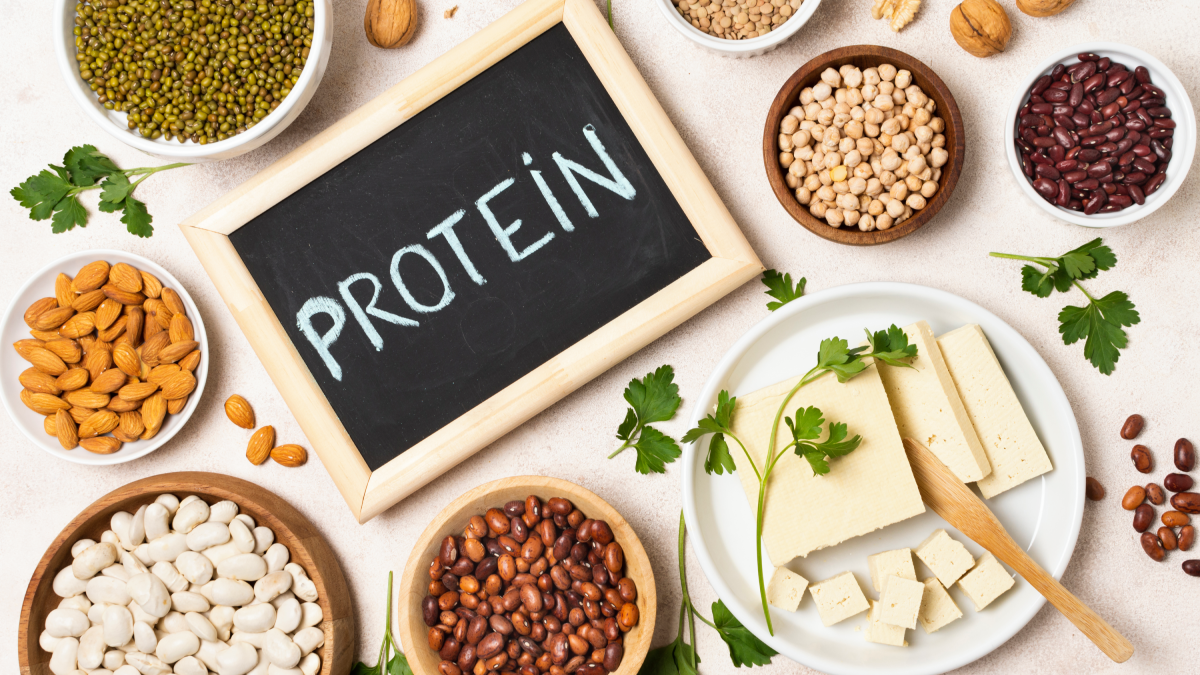
Whether you are an elite athlete looking to optimize recovery, a health-conscious individual aiming to shed a few pounds, or someone simply exploring meatless Mondays, one question consistently takes center stage: “Where do you get your protein?”
For decades, we have been conditioned to believe that high-quality protein only lives inside a carton of eggs, a gallon of milk, or a steak. But nutritional science has evolved. Today, millions of people worldwide are discovering that the plant kingdom is not just a source of vitamins and fiber—it is a powerhouse of clean, efficient, and sustainable vegan protein.
Shifting toward a plant-heavy diet doesn’t mean sacrificing your muscle mass, your energy, or your love for food. In fact, it might just be the upgrade your body has been begging for. Let’s dive into the ultimate guide on how to fuel your body effectively using the best plant-based protein foods available.
Before we look at what to eat, let’s understand why protein is non-negotiable. Every single cell in your body contains protein. It is the literal foundation of your physical form.
When you consume protein, your body breaks it down into amino acids, which are used for:

The global shift toward plant-based nutrition isn’t just a passing trend. People are actively moving away from traditional animal products for several compelling reasons.

Animal agriculture is a leading driver of deforestation, water scarcity, and greenhouse gas emissions. Choosing plant proteins dramatically reduces your carbon and water footprint.

A massive portion of the global adult population struggles to digest dairy. Dairy products are highly insulinogenic and contain lactose, a sugar that many people lack the enzymes to break down properly.
While long promoted as a health food, many individuals experience clear milk side effects, such as:
By swapping out dairy for clean vegan protein, many people experience immediate relief from digestive discomfort, clearer skin, and overall reduced systemic inflammation.
Let’s break down the heavy hitters of the plant world. Incorporating a mix of these foods into your routine ensures you hit your daily macro goals with ease.
+----------------+--------------------------+---------------------------------------+
| Food Source    | Protein Content          | Key Health Benefit                    |
+----------------+--------------------------+---------------------------------------+
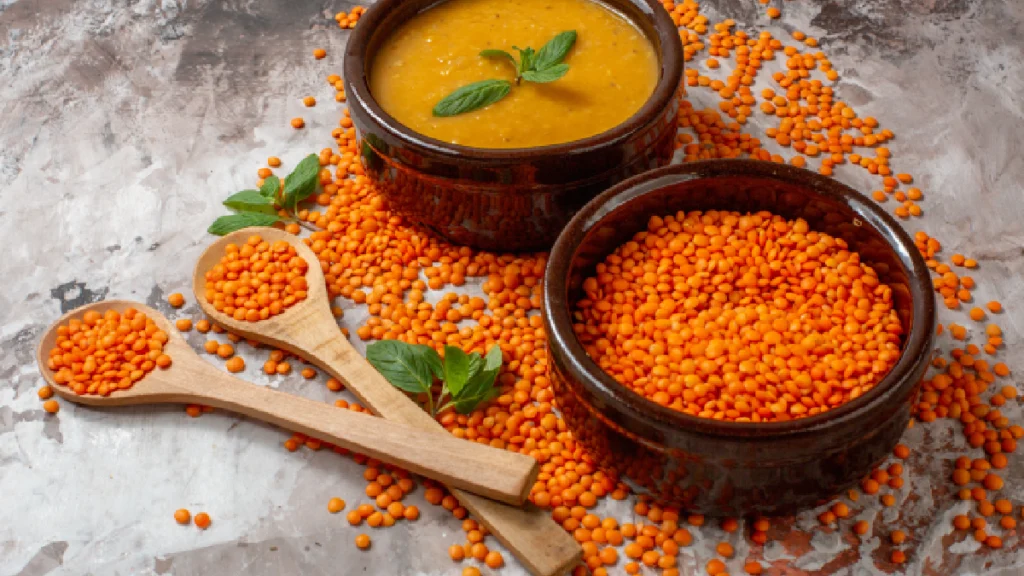
| Lentils        | 18g per cooked cup       | High iron, folate, and soluble fiber  |
| Chickpeas      | 15g per cooked cup       | Stabilizes blood sugar, versatile     |
| Black Beans    | 15g per cooked cup       | Packed with anthocyanin antioxidants  |
| Kidney Beans   | 15g per cooked cup       | Supports heart health, lowers LDL     |
+----------------+--------------------------+---------------------------------------+
+----------------+--------------------------+---------------------------------------+
| Food Source    | Protein Content          | Key Health Benefit                    |
+----------------+--------------------------+---------------------------------------+
| Soybeans/Edamame| 17g per cooked cup      | Complete protein, bone-density support|
| Tofu           | 10g - 15g per 3.5 oz     | Highly bioavailable, calcium-rich    |
| Tempeh         | 20g per 3.5 oz           | Fermented, gut-friendly, ultra-dense  |
+----------------+--------------------------+---------------------------------------+
+----------------+--------------------------+---------------------------------------+
| Food Source    | Protein Content          | Key Health Benefit                    |
+----------------+--------------------------+---------------------------------------+
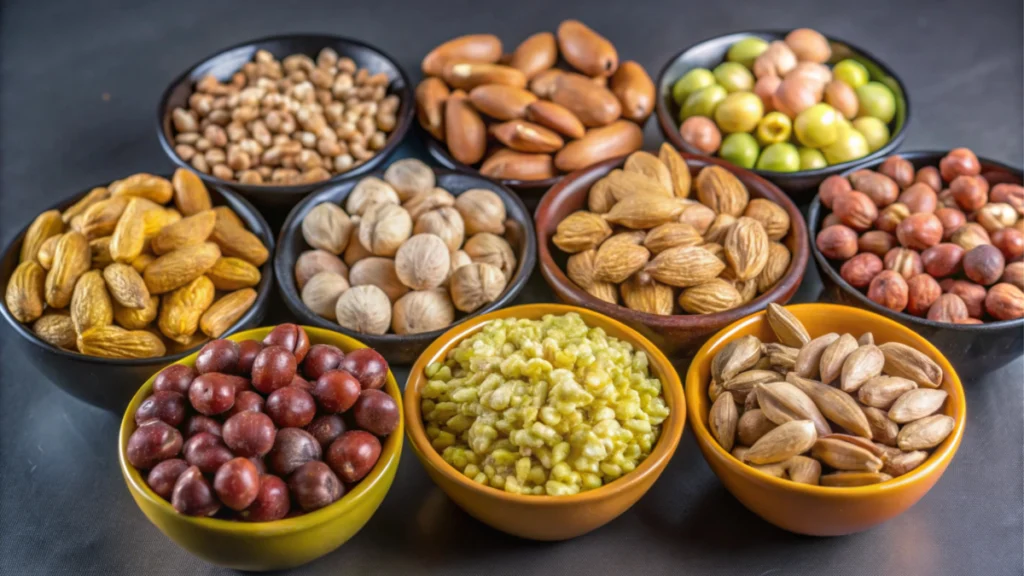
| Hemp Seeds     | 10g per 3 tablespoons    | Ideal Omega-3 to Omega-6 ratio        |
| Chia Seeds     | 5g per 2 tablespoons     | Massive fiber load, highly hydrating  |
| Pumpkin Seeds  | 9g per 1 oz (handful)    | Incredibly high in zinc and magnesium |
| Peanuts/Almonds| 7g - 6g per 1 oz         | Brain-healthy vitamin E, good fats    |
+----------------+--------------------------+---------------------------------------+
To make things practical, here is a balanced, easy-to-follow, one-day Vegan Diet Plan engineered to keep your energy levels steady and hit your macronutrient targets.
Is plant protein truly a viable alternative to animal protein? Let’s break down how they stack up across key categories.
+-------------------+-----------------------------------+-----------------------------------+
| Feature           | Plant Protein                     | Animal Protein                    |
+-------------------+-----------------------------------+-----------------------------------+
| Nutrient Package  | High in fiber, antioxidants, and  | Contains saturated fat, cholesterol,|
|                   | phytochemicals; zero cholesterol. | but rich in Vitamin B12 and Iron. |
+-------------------+-----------------------------------+-----------------------------------+
| Gut Health        | Promotes a diverse, healthy       | Can alter gut microbiota negatively|
|                   | microbiome via prebiotic fibers.  | if consumed in excess.            |
+-------------------+-----------------------------------+-----------------------------------+
| Environmental Impact| Exceptionally low land use, low | High carbon emissions, high water |
|                   | water consumption.                | footprint.                        |
+-------------------+-----------------------------------+-----------------------------------+
| Digestibility     | Gentle on the stomach; eliminates | Can cause heavy bloating; common  |
|                   | dairy-related distress.           | allergen (lactose/dairy).         |
+-------------------+-----------------------------------+-----------------------------------+
The Amino Acid Myth: A common misconception is that plant proteins are “incomplete” and therefore inferior. While some plants have lower amounts of specific amino acids, your body maintains an amino acid pool. As long as you eat a varied diet throughout the day, your body naturally pieces them together to build complete proteins.
For readers navigating traditional Indian cuisine, maximizing protein without meat or dairy requires focusing on whole food staples. India possesses a remarkably rich culinary framework of plant-based proteins that make avoiding the digestive drawbacks of heavy dairy a breeze.
Instead of over-relying on paneer, try incorporating these high-quality, plant-focused vegetarian protein sources India loves:
When transitioning to a more plant-focused lifestyle, steer clear of these frequent pitfalls:
There isn’t one single “best” source, but tempeh, lentils, and hemp seeds rank near the top due to their high protein-to-calorie ratio, impressive fiber profiles, and overall micronutrient density.
Absolutely. By consuming a varied diet rich in legumes, whole grains, nuts, and seeds, active individuals can easily meet or exceed their recommended daily allowance of protein without ever opening a tub of protein powder.
For many people, yes. Plant proteins come wrapped in fiber, antioxidants, and phytonutrients with zero cholesterol. Furthermore, opting for plant protein completely bypasses the digestive distress, bloating, and inflammatory milk side effects frequently triggered by dairy.
Dried lentils, chickpeas, split peas, and whole oats are exceptionally cheap globally. In India, staples like besan, local dals, and soy chunks offer maximum protein bang for your buck.
Transitioning to plant-based protein doesn’t require an overnight lifestyle overhaul. Radical changes rarely stick. Instead, focus on making simple, daily upgrades to your existing meals.
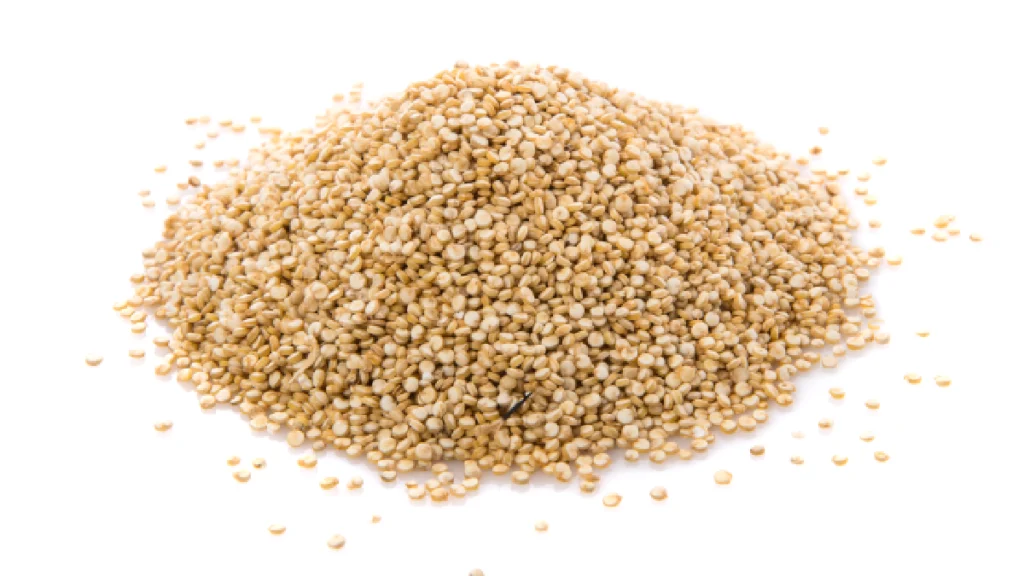
Swap out your morning whey shake for a plant-based alternative with hemp seeds. Replace the paneer or chicken in your evening curry with cubed tofu or hearty soy chunks. Replace a side of white rice with fluffy, high-protein quinoa.
By consistently introducing these vibrant, nutrient-dense foods into your routine, you aren’t just fueling your body effectively—you are investing in your long-term health, vitality, and the well-being of the planet.