
For generations in Indian households, a glass of warm milk has been the ultimate “fix-all.” Whether it was to help you sleep, grow taller, or recover from a cold (with a pinch of turmeric), milk was the undisputed king of nutrition. It’s ingrained in our culture—from the doodh-jalebi breakfasts to the chai that fuels our offices.
But lately, if you scroll through social media or talk to fitness enthusiasts, the narrative is shifting. You’ll hear whispers that milk causes bloating, triggers acne, or messes with your hormones. Some say it’s only for calves, not humans.
This leaves many of us wondering: Is milk really healthy for adults, or have we just been following an outdated tradition?
If you’ve been feeling a bit “off” after your morning latte or are debating switching to almond milk, this guide is for you. Let’s dive deep into the science, the myths, and the reality of dairy in the modern Indian diet.
The Nutritional Profile: What’s Actually in Your Glass?
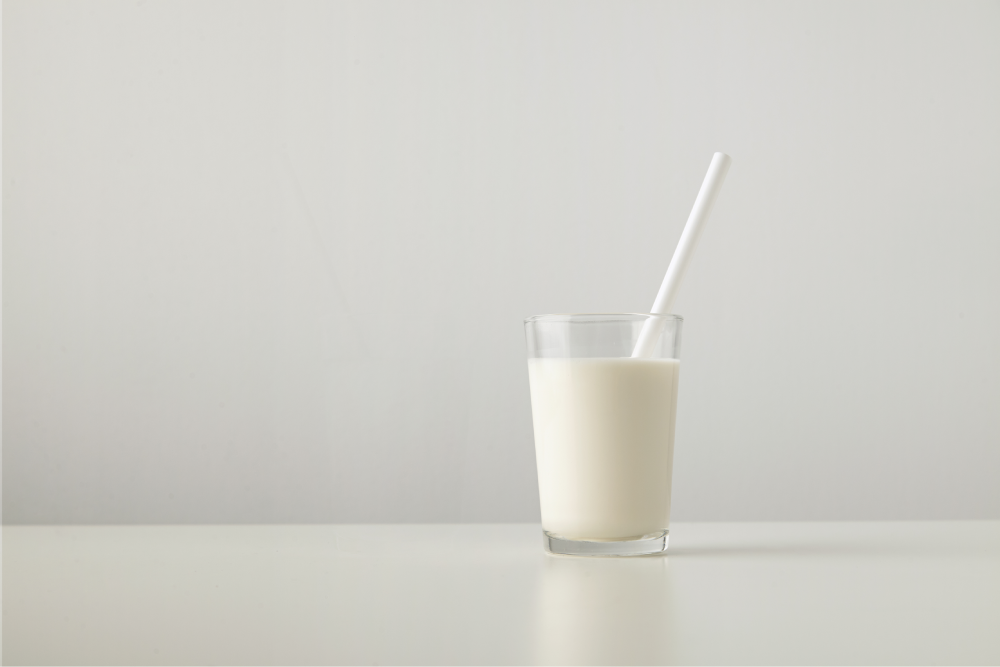
Before we decide if it’s good or bad, we need to look at the “ingredients” provided by nature. Standard cow milk is a nutritional powerhouse because it was designed to help a calf grow into a thousand-pound animal. For humans, it provides:
- High-Quality Protein: Milk contains all nine essential amino acids. It’s rich in whey and casein, which are excellent for muscle repair.
- Calcium: Perhaps the most famous benefit. A single cup provides about 25–30% of your daily calcium needs.
- Vitamin B12: Crucial for nerve function and energy levels—something many vegetarians in India struggle to get enough of.
- Vitamin D: Often added (fortified) to milk in India to help with calcium absorption.
- Healthy Fats: Ranging from saturated fats to Omega-3s (especially in A2 or grass-fed cow milk).
3 Major Benefits of Drinking Milk for Adults
Despite the controversies, milk remains one of the most convenient forms of nutrition available in India. Here’s why it still holds a place on the table:
1. Bone Density and Osteoporosis Prevention
As we age, especially for women entering their 30s and 40s, bone density starts to dip. Calcium and Vitamin D in milk work together to keep bones strong. While you can get calcium from spinach or ragi, the bioavailability (how well your body absorbs it) is significantly higher in dairy.
2. The Ultimate Post-Workout Recovery
Forget expensive protein shakes for a moment. Milk is a natural electrolyte-rich beverage. The combination of carbohydrates (lactose) and protein (whey/casein) makes it an incredible tool for muscle recovery after a gym session or a long walk.
3. A Convenient Protein Source for Vegetarians
In a country where a large portion of the population is vegetarian, getting enough protein can be a challenge. Adding milk, paneer, or curd to your daily diet provides a “complete” protein that lentils alone might lack.
The Flip Side: Potential Side Effects of Milk
If milk is so great, why is everyone complaining? The truth is that the human body changes as it matures. Can adults drink milk daily? Yes, but only if their system can handle it. Here are the common roadblocks:
1. Lactose Intolerance: The Silent Struggle

Did you know that nearly 60-70% of Indians may have some degree of lactose intolerance? As we grow older, many of us stop producing enough lactase, the enzyme needed to break down milk sugar (lactose).
Lactose intolerance symptoms include:
- Bloating and gas shortly after consumption.
- Stomach cramps.
- Diarrhea or “heavy” feeling in the gut.
2. Milk and Hormones
Modern dairy farming often involves hormones to increase milk production. Some studies suggest that the naturally occurring growth hormones in milk (like IGF-1) can interfere with human hormones, potentially leading to issues like PCOS or insulin resistance in sensitive individuals.
3. The Acne Connection

There is a growing body of evidence linking dairy—specifically skimmed milk—to adult acne. Milk can stimulate sebum (oil) production and increase inflammation, which is why many dermatologists suggest “dairy-free” trials for patients with persistent breakouts.
4. Dairy Products and Inflammation
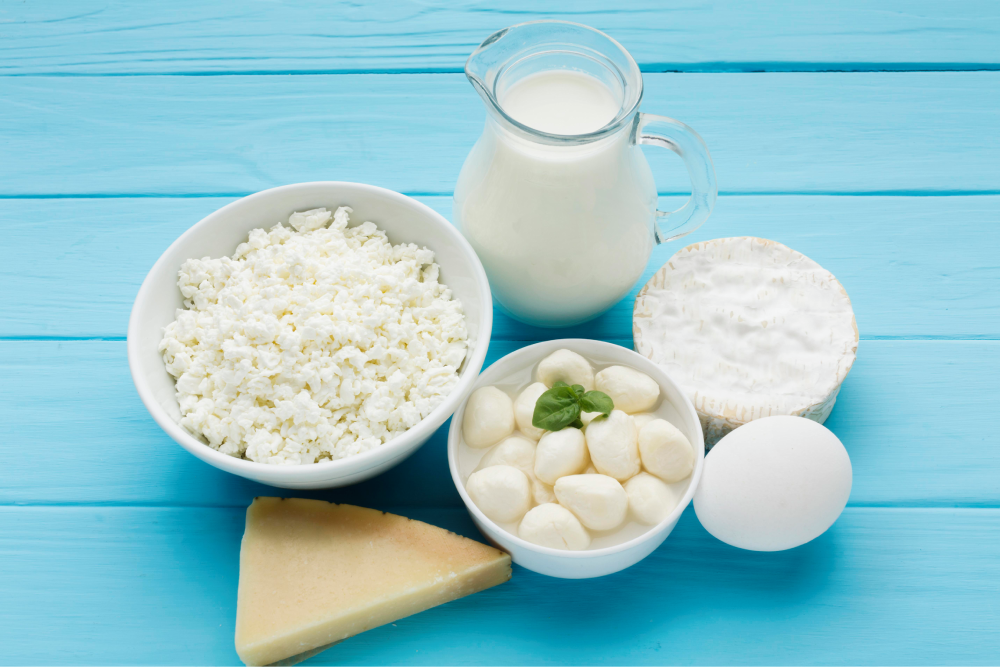
While milk is anti-inflammatory for some, it can be the opposite for others. If you have an underlying sensitivity, dairy might trigger a low-grade inflammatory response, manifesting as joint pain, skin rashes, or digestive distress.
Is Milk Good for Weight Loss or Weight Gain?
This is the million-dollar question. The answer? It’s all about the type and the timing.
- For Weight Loss: Low-fat or “toned” milk can be a great tool. The protein keeps you full (satiety), preventing you from reaching for oily snacks like pakoras or biscuits. However, drinking “buffalo milk” or full-cream milk adds significant calories that can stall your progress.
- For Weight Gain: If you are “hard-gainer” trying to bulk up, full-fat milk is your best friend. It provides easy liquid calories and the necessary fats for hormone production.
The Reality Check: Milk isn’t a magic weight-loss potion. If you add three spoons of sugar to your chai or drink a massive “Badam Milk” shake every night, the calories will add up, regardless of the “benefits.”
Myth vs. Fact: Setting the Record Straight
Myth: Milk is the only way to get strong bones.
Fact: While milk is a great source, you can get calcium from sardines, leafy greens, sesame seeds (til), and fortified cereals.
Myth: Drinking milk at night makes you fat.
Fact: Weight gain is about your total daily calorie intake. A glass of plain milk at night might actually help you sleep better due to the amino acid tryptophan.
Myth: Raw milk is healthier than pasteurized milk.
Fact: In India, raw milk can carry dangerous bacteria like E. coli or Salmonella. Always boil or buy pasteurized milk.
Who Should Avoid Milk?
It’s time for some “tough love.” You should consider cutting back or eliminating dairy milk if:
- You have persistent adult acne: Try going dairy-free for 3 weeks and observe your skin.
- You feel bloated constantly: Even a small amount of milk in your tea can cause “hidden” bloating.
- You have a diagnosed dairy allergy: (This is different from intolerance and can be serious).
- You have severe PCOS/PCOD: Some women find that reducing dairy helps balance their androgen levels.
Exploring the Alternatives: The Modern “Milk” Shelf
If dairy isn’t your friend, the market in India has exploded with options. But choose wisely!
| Type of Milk | Pros | Cons |
| Cow Milk (A2) | Easier to digest for some; rich in nutrients. | Still contains lactose. |
| Almond Milk | Very low in calories; great for weight loss. | Low in protein; often contains thickeners. |
| Soy Milk | High protein (closest to cow milk); affordable. | Taste can be polarizing; GMO concerns. |
| Oat Milk | Creamy texture; amazing in coffee. | Higher in carbs and sugar. |
| Coconut Milk | Great for South Indian cooking and keto. | Very high in saturated fat. |
Practical Tips for the Indian Context
- Try Curd (Dahi) Instead: If milk upsets your stomach, try curd. The fermentation process breaks down much of the lactose, making it much easier on the gut. Plus, the probiotics are great for Indian summers!
- Watch the Chai: We often don’t count the milk in our 4-5 cups of tea. That adds up to a lot of dairy and sugar. Try switching to black tea or green tea for half of those servings.
- Quality Matters: In India, adulteration is a concern. Stick to trusted brands or local farmers where you can verify the quality.
Final Verdict: Is Milk Really Healthy for Adults?
The honest answer is: It’s personal.
Milk is not a “poison,” nor is it a “must-have” for survival. If you can digest it without gas or acne, and it fits into your calorie goals, milk is a fantastic, nutrient-dense food. It provides high-quality protein and bone-building minerals that are hard to find elsewhere in a vegetarian diet.
However, if your body is sending you signals—like a rumbly stomach or skin flare-ups—listen to it. Being an adult means recognizing that what worked for you at age 5 might not work at age 35.
Actionable Advice:
- The 7-Day Test: If you’re unsure, cut out liquid milk for 7 days. Note your energy, digestion, and skin.
- Switch to A2 or Toned: If you want the benefits without the heaviness.
- Don’t Fear Fats: A little bit of fat in milk helps absorb vitamins; don’t always opt for “zero-fat” chemical-heavy versions.
FAQs
1. Can adults drink milk every day?
Yes, most adults can safely drink 1-2 glasses of milk daily, provided they are not lactose intolerant and do not have specific skin or hormonal conditions that react to dairy.
2. Is milk bad for skin?
For many, yes. Dairy has been linked to increased sebum production and acne. If you struggle with breakouts, try reducing your milk intake to see if your skin clears up.
3. Which milk is healthiest?
For general health, A2 cow milk is often considered superior due to its protein structure. For weight loss, unsweetened almond or soy milk are excellent low-calorie alternatives.
4. Is dairy inflammatory?
It depends on the individual. For those with a sensitivity or allergy, dairy can trigger inflammation. However, for many others, fermented dairy like yogurt can actually have anti-inflammatory effects on the gut.
5. Is milk necessary for protein?
No, it’s not necessary, but it is convenient. You can get your protein from eggs, chicken, soy, sprouts, and lentils, but milk provides a very high-quality “complete” protein in a simple, drinkable form.
Explore more articles on dairy, vegan diets, hormones, and healthy eating habits on Standup Gaurav.
nice content